
Trauma & PTSD Therapy in Ringwood East
When the past feels present. We provide a safe, paced, and evidence-based space to help you process overwhelming experiences and reclaim your life.

Trauma Psychologist Services
Trauma psychologist services in Ringwood East at b.psychology focus on clinical recovery from post-traumatic stress and significant life stressors. Our registered team provides trauma-informed care designed to support psychological stabilisation and long-term wellbeing.
Who is this for?
We offer dedicated support for adults experiencing:
- • Symptoms of Post-Traumatic Stress Disorder (PTSD)
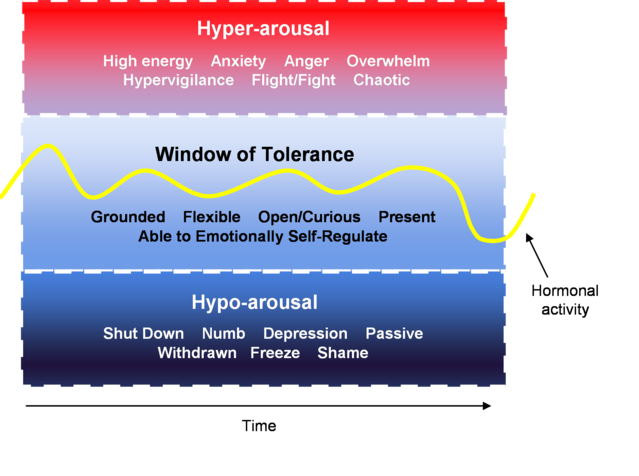
- • Hyperarousal, hypervigilance, and nervous system dysregulation
- • Intrusive thoughts, flashbacks, or emotional avoidance
- • Adjustment issues following major life changes or events
Our Clinical Approach
Integrating depth-oriented psychotherapy with evidence-based modalities, clinicians such as Navid provide a safe, collaborative space. We draw upon Psychoanalytic Psychotherapy, Transference-Focused Psychotherapy (TFP), and trauma-focused CBT to address underlying emotional conflicts and support structural recovery.
What We Can Help With
Our psychologists support adults and young people experiencing trauma and PTSD-related concerns, including:
Post-Traumatic Stress Disorder (PTSD)
Flashbacks, avoidance, and severe anxiety following an overwhelming or life-threatening event.
Intrusive Memories & Flashbacks
Unwanted memories or feeling as though you are reliving the traumatic event in the present moment.
Nightmares & Sleep Disturbance
Difficulty falling asleep, staying asleep, or experiencing distressing, trauma-related dreams.
Hypervigilance & Startle
Feeling constantly "on guard," highly alert to potential danger, or being easily startled by sudden noises.
Avoidance of Reminders
Steering clear of places, people, conversations, or activities that trigger distressing memories.
Incident-Specific Trauma
Processing and recovering from accidents, medical events, workplace critical incidents, assault, or sudden loss.
How We Work With Trauma and PTSD
Trauma therapy often involves two complementary components:
1. A trauma-informed foundation: This recognises the broader impact of trauma on the nervous system, identity, relationships, and sense of safety. It prioritises stabilisation, collaboration, and reducing the risk of re-traumatisation.
2. Trauma-focused treatment: When appropriate, therapy may directly target traumatic memories and associated beliefs using structured, evidence-based methods. Depending on your needs, we may draw on:
- Trauma-Focused Cognitive Behavioural Therapy (TF-CBT): To address trauma-related beliefs and behavioural patterns.
- Prolonged Exposure: To gradually reduce fear responses linked to reminders.
- Nervous System Regulation Strategies: To reduce hyperarousal and support emotional stability.
Even when engaging in trauma-focused work, therapy remains trauma-informed throughout—meaning we monitor safety, adjust pacing, and ensure you retain agency in the process. The aim is not to erase memory, but to reduce its emotional intensity so it no longer dominates your present life.

Visiting Our Ringwood East Clinic
Our practice is located at Shop 1, 73 Bedford Road, Ringwood East. We have created a warm, private environment designed to feel comfortable.
We welcome clients from across the outer east, including Croydon, Heathmont, Mitcham, and surrounding suburbs.
- Parking: Ample street parking is available.
- Public Transport: We are close by Ringwood, East Ringwood, and Heathmont Train station. There is a bus service that stops at the front of our Practice.
- Telehealth: Secure video sessions are available for flexible access.
Frequently Asked Questions
Trauma-informed therapy refers to an overarching framework that prioritises safety, collaboration, pacing, and awareness of how trauma affects the nervous system and relationships. Trauma-focused therapy involves structured, evidence-based interventions that directly target traumatic memories and associated beliefs and avoidance. In practice, trauma-focused work is delivered within a trauma-informed approach.
Therapy is carefully paced. While trauma-focused work can activate difficult emotions, stabilisation and safety remain priorities throughout the process.
Ready to feel safer and more grounded?
Reach out to discuss your needs or book an appointment with our team.
Book an appointment